Quantum Computing Explained and How It Works: What Students in Classes 9 to 12 Should Understand
Introduction to the Next Era of Technology
Imagine a computational world so powerful that it solves complex scientific challenges in seconds rather than centuries. Quantum computing represents this revolutionary shift in processing speed and problem-solving capability. For high school students in Classes 9 to 12, understanding quantum computing explained is no longer just an advanced physics elective—it is the foundational knowledge for future careers in technology, engineering, and data science. Classical computers have powered our smartphones and space missions, yet they struggle when faced with massive data sets or atomic-level simulations. By leveraging the principles of quantum mechanics, quantum computing redefines how information is stored, processed, and analyzed. To dive deeper into foundational physics concepts, students can check educational resources hosted on NASA Science.
1. What is Classical Computing vs. Quantum Computing?
To grasp quantum computing explained, we must first look at how standard laptops and smartphones operate. A classical computer relies on classical bits to store data in binary form: every piece of information is either a strict zero or a one. In contrast, quantum computing uses quantum bits, or qubits, which break free from this binary limitation. While a classical light switch is either entirely off or entirely on, a quantum system operates like a spinning coin that exists in a blend of states until it lands. This distinct operational model allows a quantum computer to process complex possibilities concurrently, making quantum computing vastly superior for specific high-dimensional tasks.
2. The Core Concept of Qubits Explained
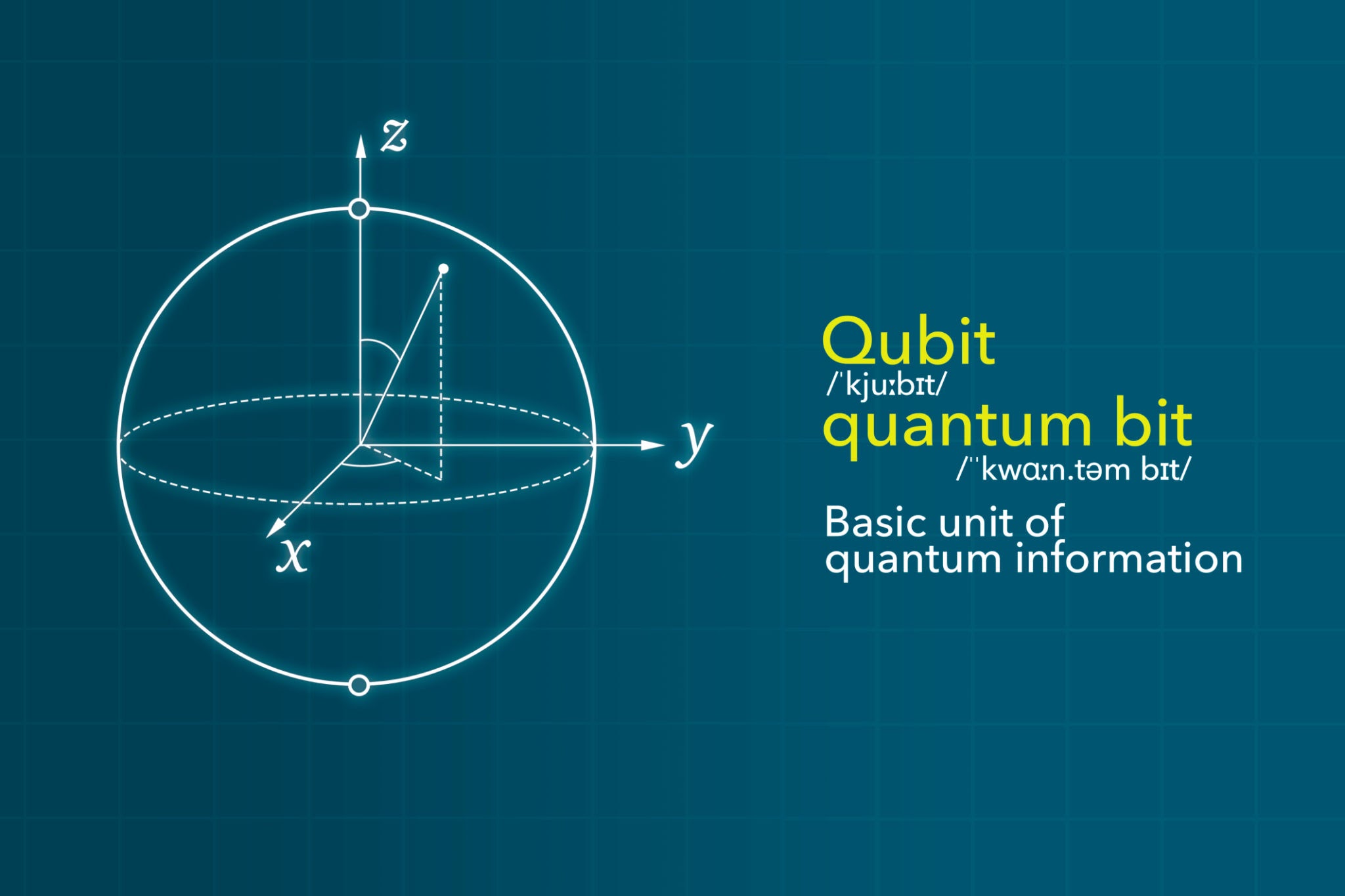
At the absolute center of quantum computing is the qubit. While classical microprocessors depend on silicon transistors that route electrical current as binary signals, a quantum computing architecture relies on microscopic physical systems such as subatomic particles, trapped ions, or superconducting circuits. Because quantum computing utilizes these physical quantum states, a qubit can hold complex information far beyond simple on-off signals. Understanding how qubits store data forms the foundation of quantum computing explained for students, giving high schoolers a glimpse into how subatomic physics powers next-generation processing units.
Principle 1: Superposition and Its Role
The first major principle in quantum computing explained is superposition. In the realm of classical computing, a bit must settle into a single state before proceeding to the next calculation. However, quantum computing uses superposition to allow qubits to exist in multiple states simultaneously. Think of a maze: a classical computer explores one path at a time, turning back whenever it hits a dead end. A quantum computer utilizing superposition evaluates every potential path through the maze at once. This ability to evaluate massive combinations in parallel gives quantum computing its extraordinary computational speed. Learn more about fundamental physics phenomena directly from research highlights on NIST Quantum Information.
Principle 2: Entanglement and Deep Interconnectedness
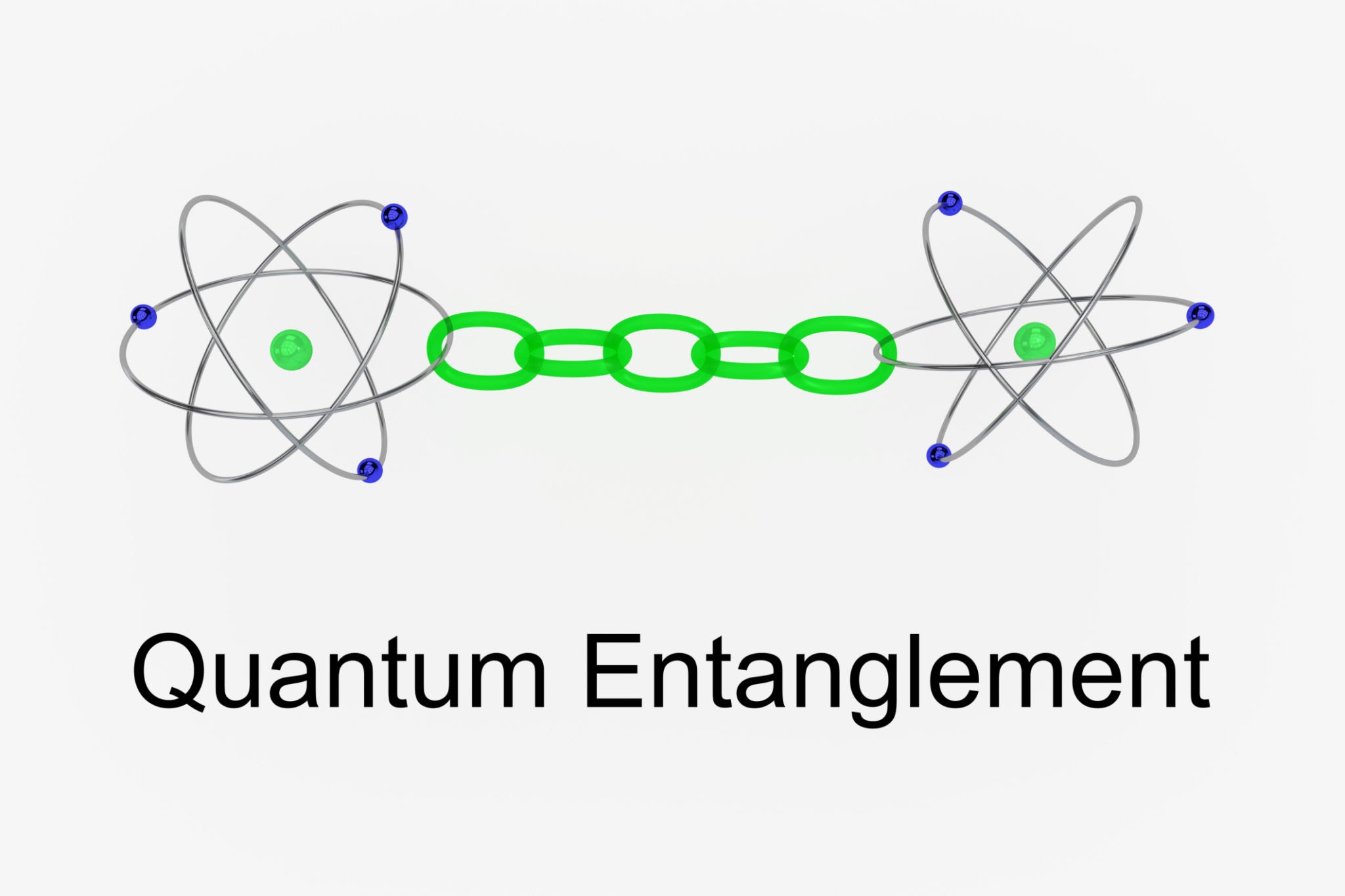
The second essential mechanism in quantum computing is quantum entanglement. When two qubits become entangled within a quantum computing system, the physical state of one instantly correlates with the state of the other, regardless of the distance separating them. Famous physicist Albert Einstein famously referred to this phenomenon as “spooky action at a distance.” In quantum computing, entanglement means that adding more qubits doesn’t just increase processing capacity linearly—it expands processing power exponentially. Entanglement allows a quantum computer to share and process complex data instantly across linked qubits.
Principle 3: Interference and Finding the Correct Answer
Another critical mechanism in quantum computing explained is quantum interference. When qubits exist in superposition, they generate multiple probability waves representing potential computational outcomes. Quantum computing algorithms use constructive interference to amplify the correct answers while using destructive interference to cancel out incorrect paths. By manipulating these quantum waves, a quantum computer isolates the exact solution out of millions of possibilities. Mastering this concept helps high school students appreciate why quantum computing is an engineering marvel of precise wave control.
3. How Quantum Hardware Works in Real Life
Building functional hardware for quantum computing requires extreme physical conditions. Unlike desktop computers that operate at room temperature, most quantum computing systems require dilution refrigerators cooled down to temperatures colder than deep outer space. This near-absolute-zero environment protects delicate qubits from thermal noise, electromagnetic radiation, and physical vibrations. If a quantum computer experiences even a microscopic disturbance, the qubits lose their quantum state in a failure known as decoherence. High school students studying materials science and thermodynamics can explore advanced research initiatives via IBM Quantum Engineering.
4. Key Differences: Classical Computers vs. Quantum Computers
Comparing standard systems with quantum computing highlights where each technology excels:
| Feature / Metric | Classical Computing | Quantum Computing |
| Basic Unit | Binary Bit (0 or 1) | Quantum Bit / Qubit (0, 1, or both) |
| Primary Principle | Classical Electricity & Transistors | Superposition, Entanglement, & Interference |
| Scaling Growth | Linear processing scaling | Exponential processing expansion |
| Operating Environment | Room temperature standard electronics | Near Absolute Zero (Cryogenic cooling) |
| Ideal Applications | Web browsing, document editing, basic gaming | Molecular simulation, cryptography, optimization |
5. Real-World Applications of Quantum Computing
Understanding quantum computing means looking at how it transforms global industries:
Medicine and Drug Discovery: Quantum computing models complex molecular interactions at the atomic level, drastically cutting down the time required to invent life-saving pharmaceuticals.
Cybersecurity and Encryption: Quantum computing has the potential to break traditional RSA security protocols, prompting researchers to develop quantum-resistant cryptographic algorithms.
Logistics and Supply Chain: Quantum computing optimizes complex global shipping routes, traffic patterns, and manufacturing schedules in real time.
Financial Modeling: Quantum computing processes volatile market variables simultaneously to perform precise risk assessments and portfolio management.
6. Why High School Students (Classes 9 to 12) Should Care Today
For students in Classes 9 to 12, learning about quantum computing provides a massive head start for future STEM careers. As quantum computing shifts from academic research laboratories into commercial adoption, the technology sector faces a shortage of trained professionals. Understanding how quantum computing operates helps students build critical thinking skills across computer science, physics, linear logic, and engineering. Getting comfortable with quantum computing concepts during high school positions young scholars to enter top-tier university programs and emerging tech industries.
7. Step-by-Step Learning Path for High School Students
Students interested in exploring quantum computing further can follow these practical academic steps:
Strengthen Core Physics Fundamentals: Focus on high school physics concepts including wave mechanics, electricity, atomic structure, and electromagnetism.
Master Computer Programming Fundamentals: Learn mainstream programming languages like Python, which serves as the primary language for quantum software frameworks.
Explore Free Interactive Quantum Tools: Access open-source quantum programming toolkits and cloud platforms to experiment with basic qubit circuits online.
Follow Emerging Tech News: Stay informed by reading scientific journals, tech publications, and educational posts on quantum developments.
Future Outlook: What Lies Ahead for Quantum Technology?
The future of quantum computing is rapidly taking shape as tech organizations build fault-tolerant quantum systems. Over the next decade, quantum computing will work alongside classical supercomputers to tackle global challenges such as climate change modeling, clean energy development, and artificial intelligence optimization. For students currently in Classes 9 to 12, quantum computing is not just a theoretical topic—it represents the actual technological landscape they will build and lead in the coming years.