Class 6 to 8 Mathematics: Best Methods to Understand Fractions, Algebra and Geometry
The transition through middle school brings a massive shift in how students engage with core numeracy concepts. Moving from simple counting into Class 6 to 8 Mathematics: Best Methods to Understand Fractions, Algebra and Geometry requires a fundamental change in cognitive processing. During these formative academic years, students move away from basic arithmetic and step into abstract reasoning, spatial visualization, and structural problem-solving. Master teachers across the globe recognize that building conceptual clarity during this window lays the absolute foundation for all high school STEM learning.
Parents and educators frequently seek optimized pedagogical frameworks to help students navigate Class 6 to 8 Mathematics: Best Methods to Understand Fractions, Algebra and Geometry without developing math anxiety. By utilizing visual modeling, active experimentation, real-world bridging, and tactile manipulative tools, middle schoolers can easily demystify abstract formulas. Exploring structured digital platforms like Khan Academy gives students interactive avenues to master these foundational pillars at their own natural learning pace.
1. Demystifying Fractions Through Visual Models and Concrete Manipulatives
Understanding fractional values represents the very first major hurdle in Class 6 to 8 Mathematics: Best Methods to Understand Fractions, Algebra and Geometry. Students often struggle because they attempt to apply whole-number rules to parts of a whole. To bridge this gap, educators must emphasize visual fraction bars, pie chart cutouts, and interactive number lines. When students physically divide objects or draw shaded regions, the relationship between the top number and the bottom number transforms from arbitrary symbols into tangible quantities.
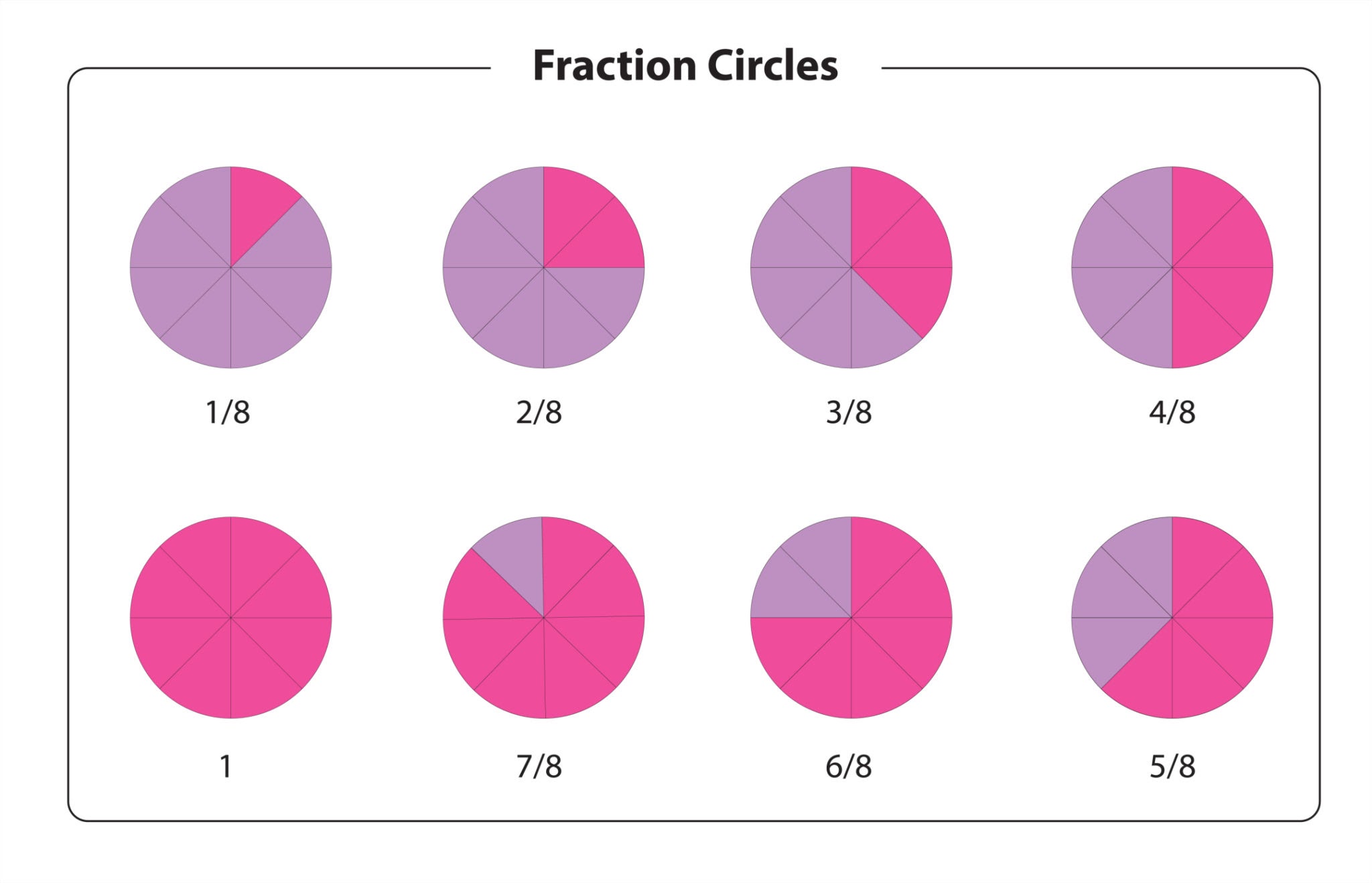
Implementing visual tools directly prevents common misconceptions regarding equivalent parts and values. When students compare fractions using physical strips or digital fraction tiles, they immediately grasp why larger denominators represent smaller partition sizes. For additional research-backed strategies on conceptual visual math learning, educators can consult NCTM (National Council of Teachers of Mathematics), which provides extensive guidance on incorporating concrete models into middle school curricula. Visualization remains the single most powerful strategy for mastering fraction operations in middle school.
2. Bridging Arithmetic to Algebra Using Balance Scale Concepts
Transitioning into variable manipulation marks a pivotal milestone in Class 6 to 8 Mathematics: Best Methods to Understand Fractions, Algebra and Geometry. Students often feel intimidated when letters begin replacing familiar numbers. The most effective method to introduce algebraic equations is the physical or conceptual balance scale. By picturing an equation as a two-pan balance scale that must remain perfectly level, learners naturally understand that any modification performed on one side must be mirrored on the opposite side.
Using real-world metaphors like unknown gift boxes or mystery bags on a scale helps learners internalize variable representation without feeling overwhelmed. This structural approach shifts student focus from memorizing mechanical rules to understanding relational equivalence. Engaging resources hosted on GeoGebra provide dynamic balance scale simulations that allow middle schoolers to experiment with balancing equations interactively. Equivalence forms the fundamental core of all algebraic comprehension across middle school grade levels.
3. Spatial Visualization Techniques for Middle School Geometry
Geometry in middle school shifts from basic shape recognition to structural spatial analysis. In Class 6 to 8 Mathematics: Best Methods to Understand Fractions, Algebra and Geometry, geometry requires students to analyze properties, calculate surface coverage, evaluate spatial containment, and understand angular relationships. The best instructional approach involves hands-on exploration using dynamic geometry software, paper folding activities (origami), and physical protractor tools.
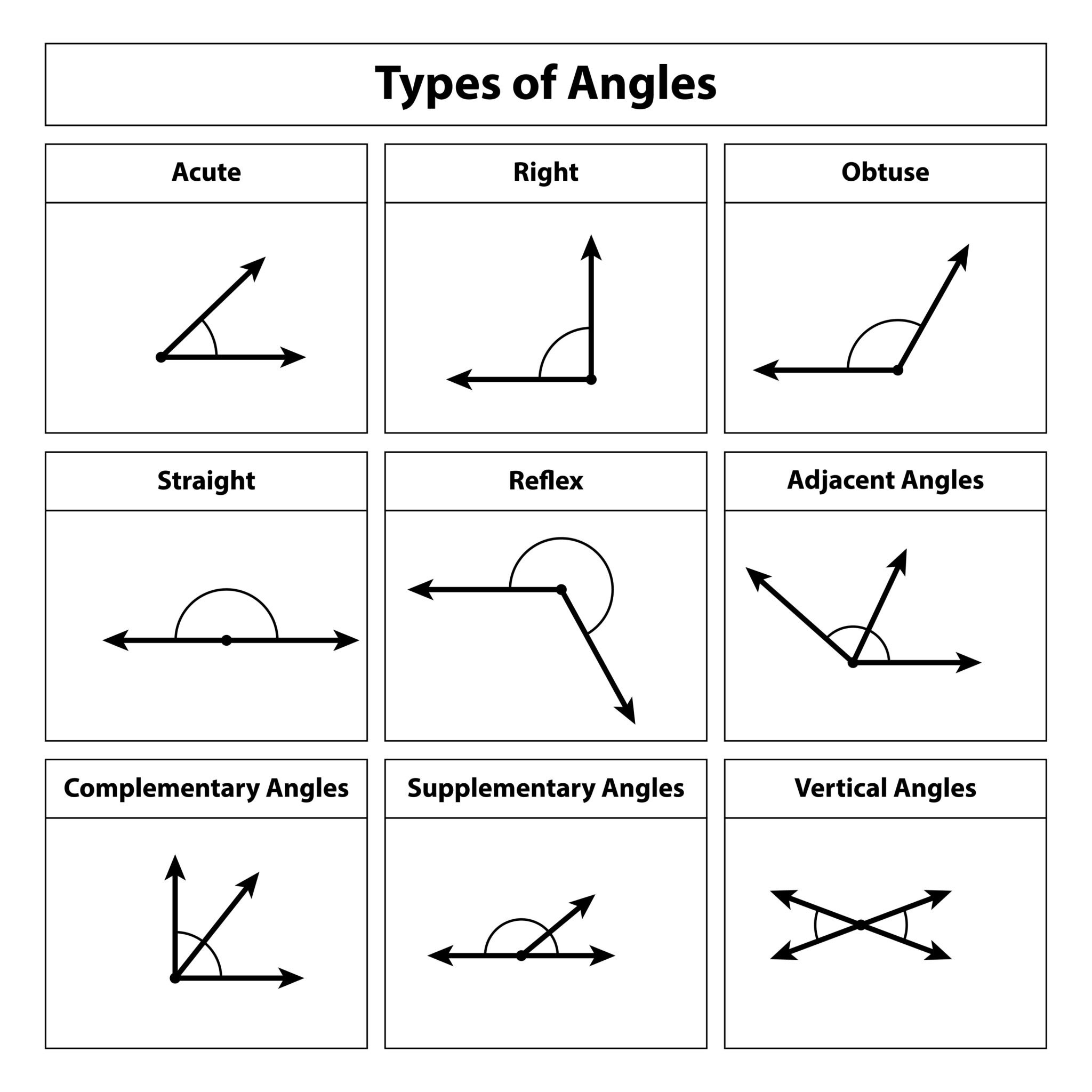
When students construct geometric figures themselves, they develop strong mental rotation skills and spatial intuition. Connecting geometric theorems to real-world architecture, art, and nature helps bridge abstract principles with daily observations. Online repositories like the Nrich Maths Project by Cambridge University offer rich spatial puzzles designed specifically to deepen geometric thinking. Spatial intuition allows students to easily comprehend complex geometric properties and dimensional relationships.
4. Master Strategy: Integrating Real-World Contexts in Daily Lessons
Abstract concepts fail to stick when taught entirely in isolation. A core pillar of Class 6 to 8 Mathematics: Best Methods to Understand Fractions, Algebra and Geometry is grounding abstract concepts in everyday human activities. Cooking and baking recipes provide an exceptional context for ratio and fraction scaling. Budgeting, tracking personal savings, and calculating speed variations naturally introduce algebraic variable dependencies.
Similarly, home renovation planning, sports field dimensions, and package design offer endless geometric applications involving perimeter, area, and volume concepts. When students see math functioning as a useful tool rather than an isolated academic subject, engagement increases dramatically. Comprehensive educational platforms such as PBS LearningMedia supply teachers with real-world contextual video lessons that bring abstract concepts to life. Contextualization transforms abstract numerical theories into meaningful real-life problem-solving skills.
5. Overcoming Math Anxiety with Step-by-Step Progressive Learning
Math anxiety frequently peaks during middle school as coursework becomes noticeably more abstract. In Class 6 to 8 Mathematics: Best Methods to Understand Fractions, Algebra and Geometry, addressing psychological barriers is just as crucial as delivering academic content. A progressive learning model breaks down complex multi-step topics into small, manageable mastery blocks.
       ┌─────────────────────────────────────────────────┐
       │   Concrete Stage (Physical Manipulatives)       │
       └────────────────────────┬────────────────────────┘
                                │
                                ▼
       ┌─────────────────────────────────────────────────┐
       │   Representational Stage (Visual Diagrams)      │
       └────────────────────────┬────────────────────────┘
                                │
                                ▼
       ┌─────────────────────────────────────────────────┐
       │   Abstract Stage (Symbolic Notation & Logic)    │
       └─────────────────────────────────────────────────┘
Teachers and parents should foster a growth mindset environment where mistakes are treated as informative learning data rather than failures. Interactive practice on adaptive platforms like IXL Learning allows students to practice targeting specific skill gaps without peer pressure. Scaffolding ensures that every student builds unwavering confidence before advancing to intricate mathematical concepts.
6. The Concrete-Representational-Abstract (CRA) Framework Explained
The Concrete-Representational-Abstract (CRA) instructional framework is universally recognized as a gold standard in Class 6 to 8 Mathematics: Best Methods to Understand Fractions, Algebra and Geometry. This three-tier learning sequence ensures that students build deep conceptual understanding before touching formal symbolic notation:
Concrete Phase: Students handle physical objects, such as fraction bars, algebra tiles, or geometric block solids.
Representational Phase: Students translate physical actions into visual drawings, diagrams, grids, or number line charts.
Abstract Phase: Students solve problems using pure numbers, operational signs, variable letters, and geometric notation.
Bypassing the concrete or representational phases often leads to rote memorization without underlying comprehension. When students thoroughly experience all three levels, their retention rate skyrockets. Detailed research regarding cognitive CRA models can be explored via Understood.org, an organization dedicated to learning differences and evidence-based instruction. Progression through these deliberate stages builds lifelong mathematical comprehension.
7. Utilizing Interactive Digital Tools and Visual Math Simulators
Modern technology offers unprecedented opportunities to transform Class 6 to 8 Mathematics: Best Methods to Understand Fractions, Algebra and Geometry. Virtual manipulatives remove the physical limitations of traditional classrooms, allowing students to instantly reconfigure shapes, balance complex variable systems, and partition fractional spaces dynamically.
Dynamic software packages enable instant visual feedback, helping students immediately self-correct their conceptual misunderstandings. Interactive visual calculators allow learners to observe how modifying a single variable instantly alters a geometric shape or line slope. Educational technology resources available through PhET Interactive Simulations by the University of Colorado Boulder offer free, research-backed math tools suited for middle school exploration. Interactive technology acts as a powerful catalyst for deepening structural mathematical understanding.
8. Developing Algebraic Thinking Through Pattern Recognition
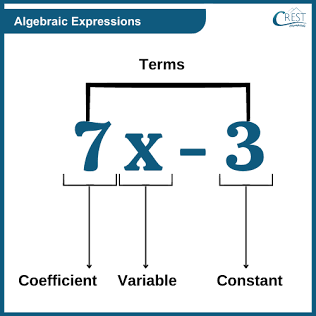
Before students dive into formal algebraic manipulation, they must cultivate strong pattern recognition capabilities. In Class 6 to 8 Mathematics: Best Methods to Understand Fractions, Algebra and Geometry, algebraic thinking starts by analyzing repeating sequences, numerical growth trends, and geometric tile arrangements.
Identifying functional relationships within input-output tables teaches students how one changing quantity directly impacts another. This inductive reasoning process naturally leads to writing general relational rules using letters. Exploring pattern-based puzzles on platforms such as Youcubed by Stanford University helps students view algebra as an exciting language of patterns rather than an intimidating set of arbitrary rules. Pattern recognition forms the cognitive bridge connecting basic arithmetic to advanced algebraic reasoning.
9. Connecting Geometry and Fractions via Spatial Partitioning
An often overlooked aspect of Class 6 to 8 Mathematics: Best Methods to Understand Fractions, Algebra and Geometry is the deep structural connection between geometric shapes and fractional partitioning. Fractions fundamentally represent the division of spatial areas or continuous quantities into congruent regions.
Understanding two-dimensional shapes, line symmetry, and area grids allows students to visualize fractional values geometrically. For instance, dividing a rectangle diagonally or splitting a circle into equal sectors visually reinforces concepts of ratios and fair shares. Exploring geometric art and tessellations brings these overlapping domains together seamlessly. Open-access educational sites like Math is Fun provide intuitive illustrations connecting spatial geometry directly with numerical fractions. Integration of geometric visuals makes complex fractional concepts intuitive and memorable.
10. Effective Study Routines and Active Recall Strategies for Middle Schoolers
Establishing structured study habits is critical for long-term retention in Class 6 to 8 Mathematics: Best Methods to Understand Fractions, Algebra and Geometry. Passive reading of textbooks is largely ineffective for quantitative subjects; students must actively engage with core concepts regularly.
Encouraging students to teach concepts back to a peer or parent—known as the Feynman Technique—forces them to clarify their internal thinking and spot hidden understanding gaps. Combining concept mapping, flashcards for geometric definitions, and spaced practice sessions prevents last-minute cramming stress. Guidance on cultivating effective study routines can be found through Edutopia, which highlights evidence-based classroom and home learning strategies. Active recall solidifies theoretical understanding into permanent cognitive skills.
11. Role of Parents and Educators in Fostering Math Confidence
The attitudes expressed by adults strongly influence how middle school students view their own quantitative capabilities. Excelling in Class 6 to 8 Mathematics: Best Methods to Understand Fractions, Algebra and Geometry requires a supportive environment that celebrates curiosity, persistence, and logical reasoning over sheer speed.
Parents and teachers should avoid using labels like “math person” or expressing personal math anxiety, as these mindsets can be unconsciously adopted by children. Instead, praising strategy usage, thoughtful reflection, and resilience builds lasting academic self-efficacy. Collaborating with educational communities on platforms like EdWeek offers valuable insights into fostering positive learning environments. Encouragement turns potential academic frustration into a lifelong passion for discovery and analytical problem-solving.